
This article is part of a series covering the Fabian New Year Conference , written by Dave Baldock and Sue Watson
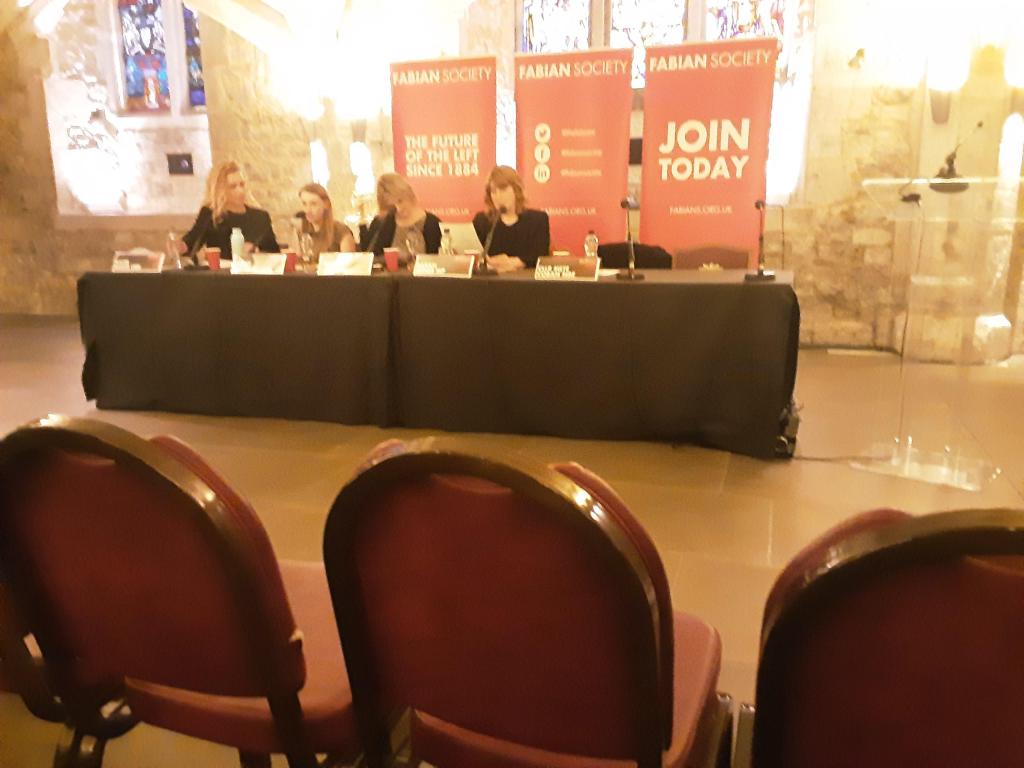
Panel
Liam Byrne MP
Caroline Abrahams CBE, Charity Director at AGE UK
Abby Jitendra, Principal Policy Adviser at Joseph Rowntree Foundation
Sasjkia Otto, Senior Researcher at the Fabian Society
Chair: Clare McNeil, Associate Fellow at IPP
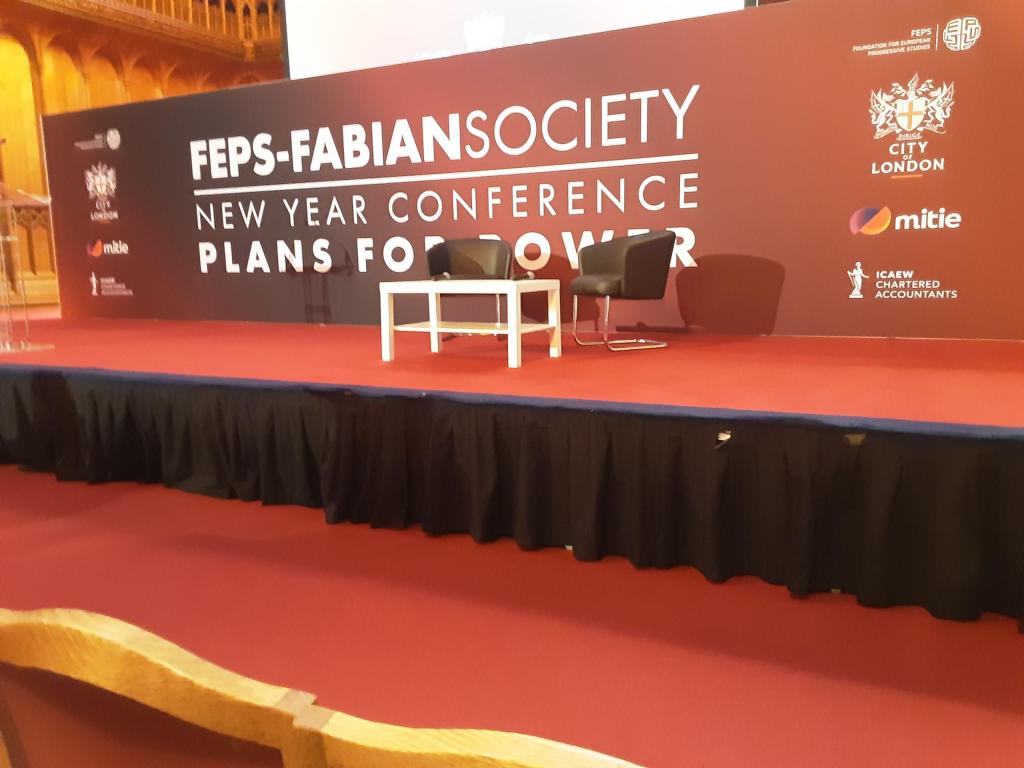
Liam Byrne spoke first. Britain had increasing levels of poverty and work was no longer a route out. His new book addressed some of the issues this raised.[1]
Seventy per cent of the wealth of the Country was in the hands of one per cent of the population.
Since 2010 inequality had grown with thirty-one times more being held by the top 1%. Sale of luxury goods is at an all time high, while life expectancy is in decline.
Unequal nations are unhappy, and this was true of Great Britain. Inequality drives corruption (for example PPE during covid).
The position will only improve if we do something. As rich baby boomers die, their wealth will pass on to their families. Others will face large care bills. This will accelerate the wealth differential. The underlying issues were set out clearly ten years ago by the French economist Thomas Pickety in his book “Capital.”[2] Not a lot had changed since publication.
Having set out the problems here are some solutions.
- Smarter growth – devolution is part of this so regions and Councils can take decisions that will work for their area.
- Stop the race to the bottom – there may need to be a second big bang in the city. If so, pension savers have muscle to influence this. The 32,000 pension funds can exert influence but do not use this,
- Universal Basic capital – provide a lump sum to all 18 years olds to change their life prospects.
- Savings accounts for the young
- Auto enrolment in pension schemes for long term income
This could be funded via a Sovereign Wealth Fund which will take time to build, so is a longer-term solution.
- Restore fairness to the tax system – there is investment income of £80 billion which if taxed differently could raise significant amounts.
These are ideas which have been tried elsewhere in the world and have worked.
On a happier note, ninety per cent of all scientists that have ever worked are alive today, so there is scope to be optimistic about innovations and the difference that these can make.
Assets and Wealth are important for life chances.
There are 2,6 million people who are off work as long-term sick, an all-time high.
Of these £1.5milion are on a waiting list. The health service has lost 150,000 health care workers since the pandemic, so is not a position to improve the situation. Getting the Health service right will have influence on this.
A recent Fabian paper[3] makes recommendations on this including.
- Employment Rights from day one of employment
- Carers and disability leave.
- A national occupational health service
- Create a duty to look at where employers fall short?
There is a hostile environment toward those on universal credit and we need to dismantle this.
We also need to address the issues facing those coming up to retirement who are made unemployed between 55-65. If people have financial issues in this age group there are limited opportunities to correct the position. Universal credit draws on savings at a time in life when people could have been saving for retirement.
. Universal Criedit would consider savings between £6.000 and £16,000 which would impact significantly on this heading for retirement. Savings above £16,000 could be eroded or wiped out by an extended period of unemployment, which would impoverish people before they reach retirement age,
Older people vary in wealth, some are okay others not. A third of those entitled to Pension Credit do not claim it.
One in five families are in poverty, which is six million people.
There has been a three time increase in the number of food parcels provided.
The Joseph Rowntree Trust has looked at why-
- Costs are volatile.
- Wages have not kept up.
- Benefits are inadequate.
Without spending more the possibilities are
- Looking at the profit levels in the care sector
- Linking public funding to decent wages and salaries
- Paid care leave
- Essentials guarantee – match the cost of living (this will cost)
Economic growth will provide the funding for this so has to be the priority. It will take time to address all the issues.
The tax system is unfair, the income from wealth has doubled this century and tax income have not kept pace.
The tax rebate given to those with over £100k invested in ISAs is worth two billion pounds per annum. Is this fair and reasonable?
Questions were then taken from the audience.
How can we tax wealth when people work hard to “off shore” their wealth? The aim would be to address this although this needs handling with care to minimise avoidance,
The point was made that constant references by politicians to “working people” alienated people acting as full-time carers who were just as important.
Consideration could be given to levying National Insurance on investment income, so taxing it on the same basis as income from work.
Can we redistribute wealth to younger people?
Inheritance tax was important in addressing wealth accumulation. Could consider a “gift tax” so the receiver pays.
Child care has been expanding to enable parents to work but there were capacity issues. The government has started to address this. The sector is one of low pay which makes a career unattractive.
, There is scope for increasing responsibility of employers to ensure the health of their workforce e.g. care workers.
An increase in employment rights (particularly for the young) would be effective as would better pay and payment for travel time.
Some care chains generate significant profits while others do not, and many smaller companies struggle.
There is not enough money in the system to fund major improvements to terms and conditions, and increased inheritance tax could be used to address this. it would take time to achieve this,
Poverty is not a stand alone “mission” but cuts across Labour’s five missions. The missions aim to shift the narrative to “we” not “me” in national thinking, as we aim to produce a fairer society, one with a sense of hope.
DB
[1] The Inequality of Wealth: Why it Matters and How to Fix it. – Liam Byrne
[2] Capital in the Twenty-First Century – Thomas Piketty
[3] Equal footing -why we cannot afford to ignore inequality -Anneliese Dodds Fabian Pamphlet






 Havering Fabian Society