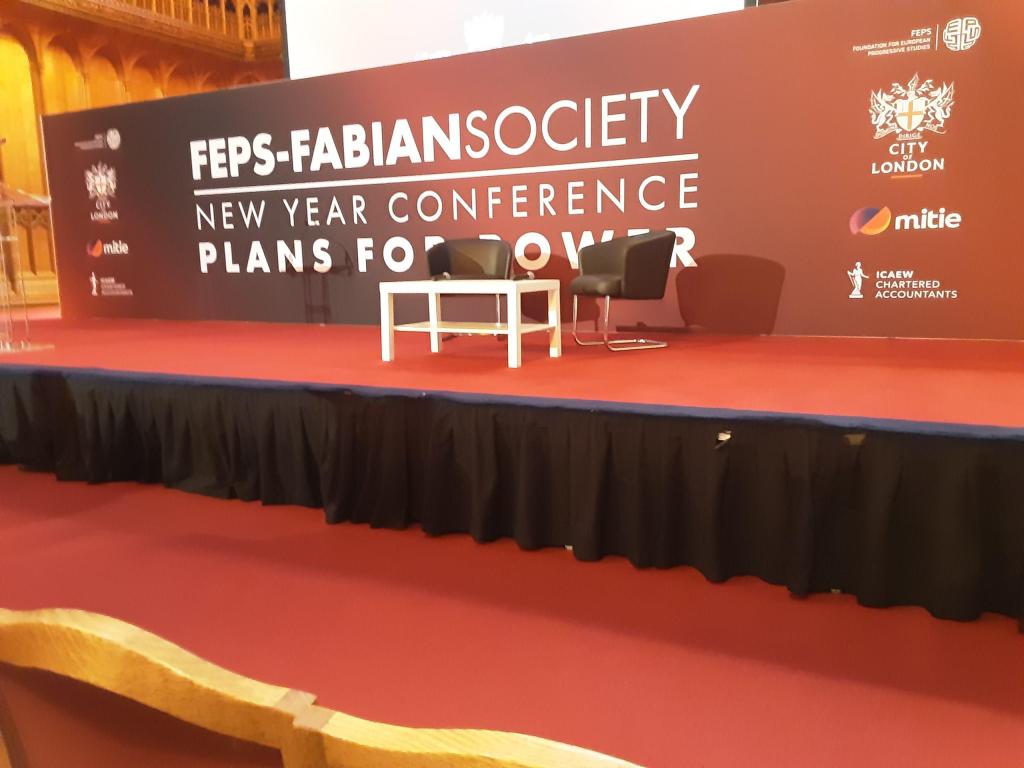
This article is part of a series covering the Fabian New Year Conference, written by Dave Baldock and Sue Watson
The Panel consisted of: – Emily Thornberry MP, Shadow Attorney General for England, and Wales
Jason Towse, Managing Director of Business Services at Mitie.
Kate Green OBE, Greater Manchester Deputy Mayor for Policing, Crime and Criminal Justice.
Cllr Natasha Ennin, Cabinet Member for Community Safety, Southwark Council
Chair Vikram Dodd, Police and Crime correspondent at the Guardian.
Emily started her presentation by stating the left should never have conceded Law and order to the right. She expanded by saying the Tories are pretending the problem crime no longer exists. Labour’s document, Make Britain’s Street Safe, sets out their vision around dealing with crime. Emily acknowledged the damage done with people perceiving there are no outcomes or consequences for crimes committed.
Emily informed the meeting she has three priorities for action as soon as she is in office.
Crimes that make people afraid to go out, Anti-Social Behaviours including street theft and petty shoplifting included here. More police will be visible on the streets, hot spot patrolling will be increased, as well as removing the under £200 shoplifting leading to no police attending. There would also be work undertaken with schools and youth clubs.
Fraud-approximately £219billion was lost through fraud up to June 2023. This equates to the whole NHS budget and a further ¼ on top. 3.7million people have been victims of fraud last year (2023). Forty percent of crime is fraud. Emily pointed out the Tories do not include fraud in their crime statistics. Labour would reclaim monies lost as a result of PPE fraud People are 200times more likely to be a victim of crime than go to jail. Emily was clear that this is going to change once Labour is in power.
Violence against Women and Girls (VAWG) Emily pointed out currently approximately 2% of reported VAWG go forward to conviction. The word “epidemic” was used to describe the level of incidents; however, it was acknowledged there is a small chance of prosecution and conviction. Emily is looking to initially cut VAWG by half. Work would be undertaken in schools, work places, homes, leisure venues, everywhere.
Jason spoke of the pressure on police calling this “stretch.” He expanded on how a collaborative approach between the police and private sector could help here. He pointed out retail is seeing a rise in crime, with some extreme violent examples. Organised Crime Groups (OCGs) have used hammers, knives, packs of dogs and baseball bats during their crimes. He stated £10million would be needed to combat retail crime in London. Private security firms, such as Mitie, track OCGs across the UK, so this could feed into policework. Pegasus has been launched to combat retail crime. Regarding terrorism Jason asked for legislative reform to protect where we work, socialise and play.
Kate reminded the meeting the levels of crime are a result of 14years of Tory underfunding. The potential negative impact on local policing of abstractions raised. Greater Manchester actively works to minimize abstracting Safer Neighbourhood Team officers to maintain good local policing levels/activity. Kate called for three things from Labour around policing.
The police funding formula-Labour needs to recognise the pressures police forces are under and respond appropriately.
McPherson mark2 and challenge institutional racism.
Invest in effective community penalties. These are cost effective and have better impacts around reoffending. Further it allows the offender to carry on working and maintaining family life.
Natasha spoke of fear being normalized. The impact of ASB, gangs, knife crime, drug use, sexual harassment all feed into the fear. Cuts to police funding have impacted on crime. Natasha stated there are 10,000 fewer police officers from 2010 levels. Statistics show a 40% drop in theft arrests and arrests for rape are “shockingly low”. Southwalk had 2500 incident a day this year to date. She raised a point around the number of police officers within the ranks that should not be there. To add further pressure to criminal justice generally, the courts, police and Crown Prosecution Service are all overwhelmed with massive backlogs Natasha commented that the probation service has effectively collapsed and needs a long-term plan to fix it. Natasha pointed out there are 400,000 private security officers in the UK. She proposed these individuals could play a role. The importance of neighbourhood policing with an ambition no abstractions should form part of what Labour would do to reduce local crimes.
Emily commented that fraud needs a level of expertise in those investigating. This would include investigating phone and banking fraud. She emphasized that Labour would work with banks, phone companies and social media companies to bring about change. An example given was to stop the sale of British telephone numbers overseas.
A suggestion from the floor was no incarceration without education. Further comments from the floor included the need to reform what happens in prisons and how to link to schools to show prison is not a “glamorous” outcome to crime. A focus on prevention was also shared.
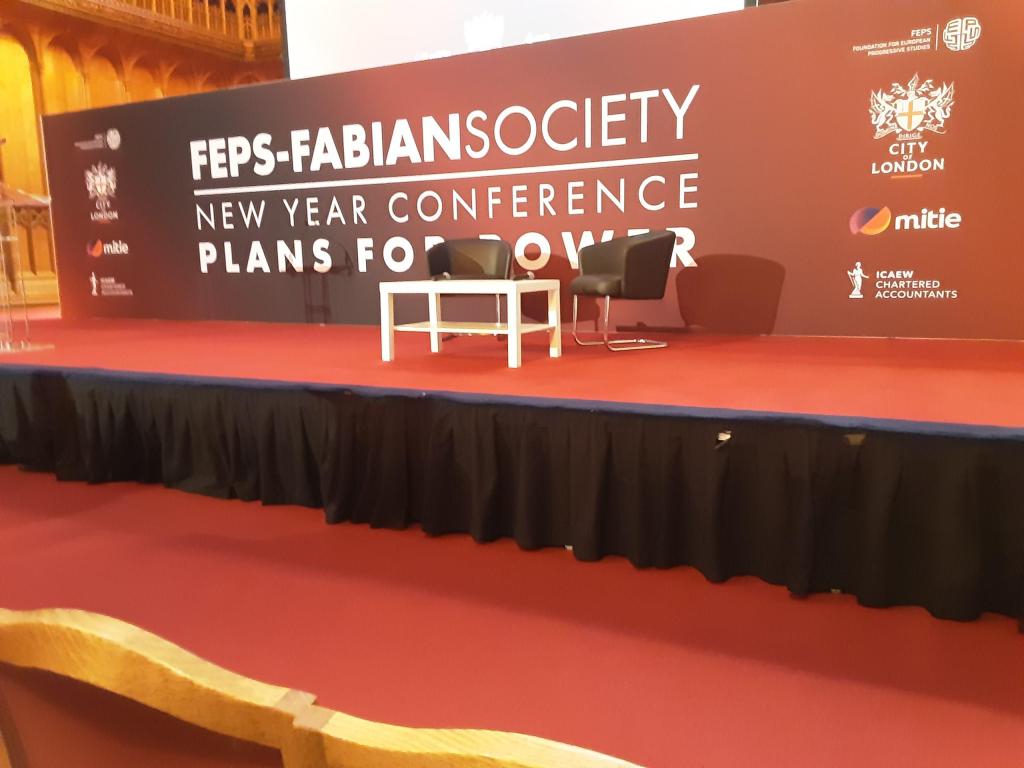
This article is part of a series covering the Fabian New Year Conference , written by Dave Baldock and Sue Watson
Keynote speech – Barbara Nowacka, President of Inicjatywa Polska and Minister for Education
International Address – Pedro Silva Pereira, Portuguese MEP, Vice-President of the European Parliament
Miguel Costa Matos MP, Member of the Portuguese Assembly of the Republic
The final session featured three European politicians giving a wider perspective of how events in Europe were impacting on them.
Barbara is an MP for the newly formed Polish government and began the session with an overview of the recent election. The 2023 elections were important and gave Poland a choice between getting closer to the EU or Russia. With around three million refugees from Ukraine, Poland has much to contend with.
The previous Law and Justice regime were a right-wing populist government, playing on Poland’s catholic heritage to limit socially progressive policies. They had been in power for eight years. They were authoritarian in nature, did not respect the rule of law and had restricted abortion. The government determined what was taught in schools and had ensured public TV was like the Russian “Pravda” model.
To defeat them, there was a wide coalition of the three main opposition parties, not ideal but necessary to ensure Poland remained a pro EU nation and continued to support Ukraine. The coalition engaged with civil society and groups that had suffered under the regime – there were many of these as Law and Justice was anti-abortion, and unsupportive of the LGBT community. A six-week long protest in schools had ended without success but had not been forgotten by the teachers involved.
The three main opposition groups, Civic Coalition, Third Way, and New Left, took 54% of the votes, winning enough seats to allow them to take power. According to the final vote count by the National Electoral Commission, Law and Justice won 194 seats, the Civic Coalition 157, the Third Way 65, The L eft 26, and the Confederation Liberty and Independence 18
The coalition had come together and had held since the election, with ongoing campaigns to build a common future and deal with the corruption of the previous regime. Poland had many refugees and was aware of the brutality of the Russian government.
The new Government was led by Donald Tusk, who was well known across Europe and helped ensure Poland remained pro EU and not under Russian influence.
Pedro Silva Pereira appeared via video link and gave greetings from the European Parliament. Britain, while outside the EU, had several common issues and continued to work with the EU to address these.
Miguel Costa Matos was part of the Socialist government in Portugal. Governments of the left are rare in Europe at present, and he was pleased to be able to talk on how the Government was making progress on a range of issues. An election was due in March 2024.
An interesting session and a reminder that many of the Countries in Europe have similar issues to the UK, Poland is more effected by the war in Ukraine, and Russian influence remains.
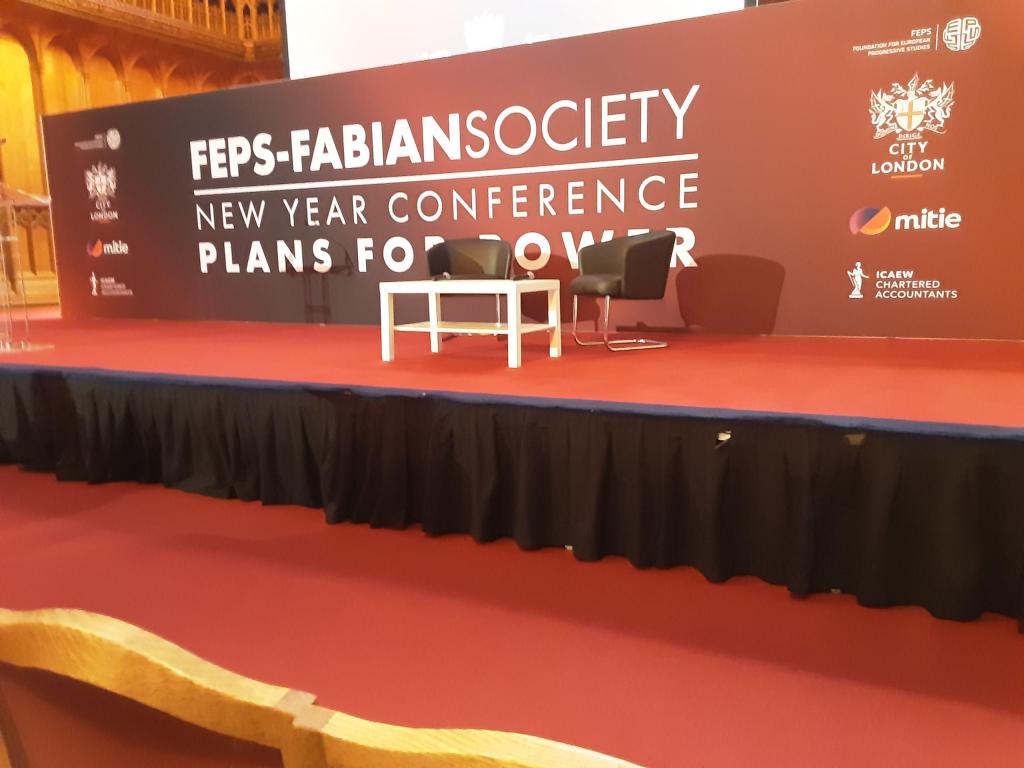
This article is part of a series covering the Fabian New Year Conference , written by Dave Baldock and Sue Watson
Panel consisted of: – Anneliese Dodds MP, Shadow Secretary of State for Women and Equalities.
Cllr Catherine Fookes, PPC for Monmouthshire.
Cllr Anya Sizer, Speaker of Hackney Council
Dr. Liz Hind, Secretary of Fabian Women’s Network
Chair:Cllr Marianna Masters, Chair of Fabian Women’s Network.
Annelise Dodds opened the session by emphasising 2024 is a pivotal year for the UK. She stated this could be the year where the country turns the page on division, on inequality. Where cruel barriers are removed. Annelise pointed out the gender pay gap is rising, online misogyny is rising, delays in court cases/actions are rising; that groups that put so much into society are getting so little out. This, she said, has to change.
Economic growth must include all with equalities running through all of Labour’s policies.
Approximately $34billion is the cost to the economy of inequality. An example given was the impact of menopause. Labour will expect the workplace to have a menopause action plan. The estimate is approximately an additional £11billion to the economy if menopause support is in place. The pressure on family life was discussed with the economic along with societal impacts shared. Labour would ban zero-hour contracts and look to the use of flexible contracts.
Approximately £20billion would be added to the economy by closing the ethnic minority employment gap. For those with a disability, too many are on or below the breadline. Labour would bring in an expectation that disability pay gap would be reported. A range of suggested adaptations were shared. By lowering the pay gap for disabled workers by 2% this would add £3billion to the economy.
Annaliese called time on old ways of dividing people, on bluster, on failure and bravado and called for a government based in the Fabian tradition of evidence based practice.
This was followed by Cllr Sizer-she discussed how SEND children and young people are treated, particularly neurodiverse individuals. This, she sees, is a litmus test of who we, as a society are. The parent experience is of barriers faced at every turn. Evidence has shown mothers of teenagers with ASD exhibit the same stress as combat soldiers. Depression amongst parents is high too. There are financial and practical implications for parents too. There is a need for a change where parents/carers thrive not just survive. She pointed out the Governments recent SEND plan is simplistic and not working. Cllr Sizer called for Labour to introduce policies where SEND and trauma informed practices are embedded throughout all policies. The SEND “black hole” in council budgets and why was acknowledged however it was stated that there is a need for whole system change where there is a whole family focus on mental health, where there are parent coaching opportunities. This would be economically sound practice as well as emotionally literate.
Cllr Fookes spoke of Barbara Castle and Harriet Harman and the Acts these women brought into law. She then raised the issue of childcare and how the majority of unpaid care was undertaken by women. Wales provides 30 hours childcare for all 3-4year olds. 2.5% of GDP is invested in childcare.
A further issue she raised was around ending health inequalities for women. Cllr Fookes closed her speech by calling for 50/50 representation and leadership within the Labour party, the cabinet and parliament itself. Currently women make up 35% of parliament. Gender parity in parliament could be a quick win for an incoming Labour government.
Dr Hind spoke next re gender responsive budgeting work she has undertaken for OECD. Further this work has included how to embed this within public services. She stated 9% can be added to growth in the economy, if gender responsive budgeting is adopted. She stated that men are not the default that women diverse from, that economies are people.
There was a question from the floor about those leaving care and how they are catered for. There was a question as to if leaving care should be a protected characteristic under the Equalities Act.
A further question around the role for procurement when agreeing contracts, in supporting and enabling disabled workers was also posed.
Annaliese replied that the New Deal for Working People will help all. So many aspects of the 2010 Equality Act are not being used and Labour will use this Act more effectively. Additionally, she pointed out the Government’s disabled people strategy has been ruled illegal as they did not speak to disabled groups. Labour will engage with community groups to ensure the voices of people are heard by Labour. Labour will be the government of all not just some.
Ken will speak on “My days as a trade unionist in Fleet Street” which included the Wapping dispute.
Ken has been a Councillor in both Havering and Newham, where he was Deputy Mayor. He has a wealth of experience in Labour politics, having been London Regional Director
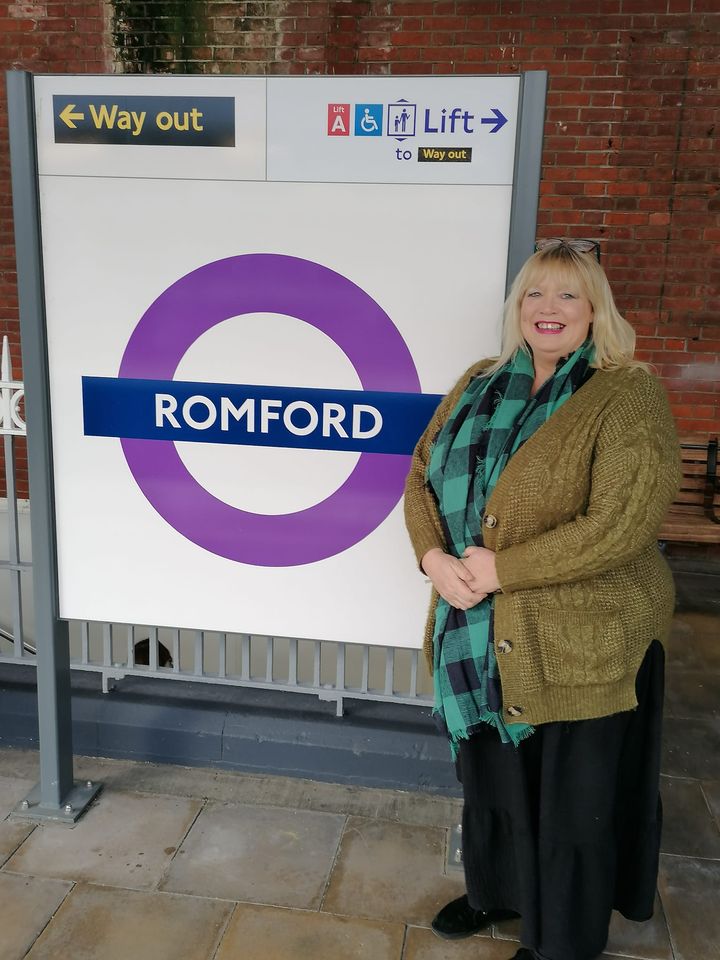
The meeting is om 24th June 8pm at Saffron House 273 South Street Romford RM1 2EZ
In the first of a series, Claire Blakemore sets out why art matters and the difference that positive engagement can have in educational, well-being, employment, and economic terms.
In the last few years, the ‘cost of living crisis’ is a phrase parroted by politicians so incessantly it has become thought paralysing. Often used as a self-evident explanation of why we must tighten the public purse, it is increasingly difficult to open up debate around public spending for fear of being seen as fiscally irresponsible. After all, we need to be grown up about it. There is simply no money to go around for nice little luxuries like reduced hospital waiting times or building new schools.
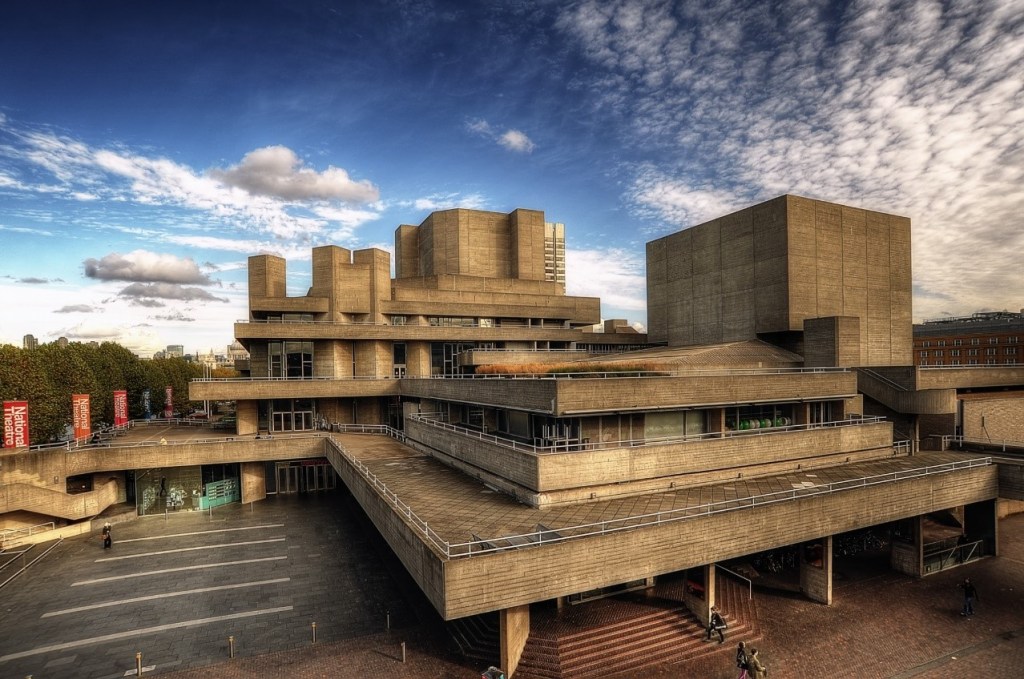
Figure 1 The National Theatre London
Not only this but the cost of living crisis is treated not as a man-made reality (however global and complex the cause), but instead an inexplicable, almost supernatural event that has befallen us. And now that this bone-rattling curse is here, we must accept our new normal. The stance taken by many Conservatives is that it is unnecessary to explore what the crisis means, and how we got here. For example, questions around why Britain is the only major Western economy in which inflation hit double digits or that the economy is predicted to experience the weakest growth in the G7 in 2024, are curiously few and far between. (1)
None of this is to say that there is not a crisis. People are facing extremely difficult choices. The Trussell Trust, an anti-poverty charity that operates a network of food banks across the UK, reported a 37% increase in the number of three-day emergency food parcels it distributed between 31 March 2022 and 1 April 2023, compared to the year before (3).
Meanwhile, the charity National Energy Action (NEA) has reported that as of 1 October 2023, there are now 6.3 million households in fuel poverty. (4)
Local councils facing funding shortfall.
No one is more aware of the stark realities of our current economy than the budget holders responsible for local council expenditure. Councils are on the front line of the crisis and have faced years of chronic underfunding, with no indication from the Autumn budget that this is likely to change anytime soon.(5)(6) Boroughs in the capital will need to make over £500m of savings next year to balance their budgets, leaving their ability to deliver essential services on a knife edge.(6) Tough choices will need to be made. In this harsh climate, it is understandable that what little extra funding there is gets directed into frontline services that need urgent investment like homelessness and adult and social care.
The loser, in times like these, as so often is the case, is that other services that are not critical become harder to justify and fall by the wayside. Nowhere is this more true than funding arts and culture.
Are the arts and creative industries in terminal decline?
The truth is that when we talk about the cost of living, we are really talking about the cost of surviving. The difficult choices that are being made on public expenditure, whether that is at national or local level, are not about how we flourish as a society but where we sleep, how we heat our homes and how we afford to eat. Set within this context, it can sound trite, even callous to refocus the conversation on how we fund theatre, film, art, craft, dance, music, or new writing.
But this is to fundamentally misunderstand what the arts can do, and the benefit they provide to the economy, the fabric of society and the individual’s health and spirit.
Major arts organisations, together with the private creative industries have been sounding the emergency klaxon. But is anyone listening? Everywhere we look there are signs that the arts and cultural sector is in terminal decline. Whether it’s the 47% decline in children taking arts subjects at GCSE since 2010 (7), or the row over the removal of funding for the English National Opera (8); or the 800 libraries that have closed in the last decade (9), or the lack of state-school arts investment leading to a lack of diversity of talent in the creative industries (10) – we are reaching the point of no return.
Alan Davey (Former CEO, Arts Council England; former controller, BBC Radio 3) describes it as a doom loop. (11) Whereby lack of risk taking and investment in future art projects, will lead to reduced participation and further funding cuts. Even if we start to correct the damage being done to our cultural institutions through funding, the skills and talents needed for them to flourish will take decades to repair. Most importantly, this will leave us not only in an economic black hole, but a cultural one.
The arts as a major economic driver
The arts and creative industries are not a nice to have but a major driver of the UK economy. Art and culture contribute £10.6 billion to the UK economy – the UK has a creative economy worth £27bn and culture brings £850m to the UK, through tourism, each year. From 2010 to 2019 the creative industries grew more than one and a half times faster than the wider economy, to be worth more than £115bn, making up around one in eight businesses, and accounting for 7.1% of all UK jobs. (12)
The British Council also points out that the arts provide Britain with “soft” power and influence. Joseph Nye outlined that one of the three key parts to a nation’s soft power is ‘its culture’: how it presents itself and is attractive to other countries and citizens. This can include its heritage and the story told throughout its history, as well as newer and fluid elements of culture such as media, digital assets, and film. (13) Can we afford to neglect such an enormous driver of our growth and global influence?
There is also an increasing understanding that arts and culture have a critical role to play in mitigating social determinants of health. (14) Arts and culture strengthen the community and civic ties that are necessary for people’s overall health and wellbeing. According to The Campaign for the Arts, arts engagement was associated with higher levels of wellbeing, social connectedness, and lower odds of intense social loneliness. (15)
The Mental Health foundation has a similar view, noting that engaging in the arts, social activities and interaction within our communities can help with major challenges, such as ageing and loneliness. It can also help to boost confidence and make us feel more engaged and resilient. (16)
Despite all of the clear benefits of the arts, we are now at a point where the economic crisis threatens to seriously damage Britain’s cultural heritage, with many of the benefits outlined above at risk, having severe consequences for employment, tourism, health, and wellbeing.
Havering and arts funding
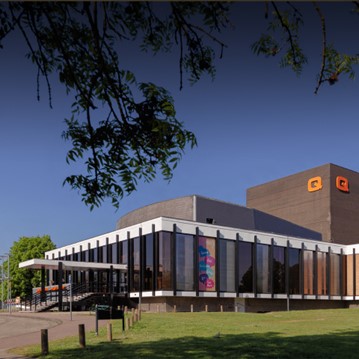
Figure 2 The Queens Theatre Hornchurch
Locally, Havering is facing severe financial problems, and there is a real possibility of bankruptcy, with a Section 114 Notice potentially being issued in the next few months. [3] This will mean that they will not be able to make new spending commitments. (17) Realistically, if we want to protect the arts and cultural organisations that already exist in Havering, more concerted efforts will need to be made to fight to protect current and future investment.
In better news, there are signs of positive steps forward to this effect, including the recent bid for Havering to be a London Borough of Culture for 2025. The bid aimed to bring in millions of pounds of investment and was put together by a collaboration of organisations under the umbrella of Havering London (made up of Havering Changing, FUSE – a local cultural education partnership, Communicating Havering, Creative Health Havering, and Havering Council) whose vision is to transform us into a hub of creative innovation. (18)
Regardless of the outcome of the bid, it matters that there is a collective enterprise fighting locally for arts and culture, championing its importance for the community.
If not now, when?
The economic picture is bleak. Local councils face extremely difficult choices. It can feel almost impossible to talk about issues like arts investment in these circumstances. But, if not now, when? The cost is too high if we do not defend our cultural institutions when they are at their most vulnerable. Now is exactly the right time to ask questions of our politicians and leaders, when the threat to the arts is higher than ever before. It is now, we need to start asking ourselves what we value as a society. We will need to take an unflinching look at what it will cost us all if we do not protect and fight for what makes our lives so worth living in the first place. Because if the arts can do anything at all, it teaches us not just what it means to live but how to come alive.
This marks the start of a series of articles that will explore the importance of arts and culture in Havering, examining what they mean for the local area as we mitigate budget cuts, and prepare for a national election.
Originally from Havering, Claire Blakemore is a freelance writer with over ten years’ experience in the communications industry. Having graduated with an MA in Creative Writing from Birkbeck in 2022, she has a particular interest in working class representation in storytelling and literature and is currently writing a series of essays about widening arts participation in the UK.


 Havering Fabian Society