
Crime and Security
This article is part of a series covering the Fabian New Year Conference, written by Dave Baldock and Sue Watson
The Panel consisted of: – Emily Thornberry MP, Shadow Attorney General for England, and Wales
Jason Towse, Managing Director of Business Services at Mitie.
Kate Green OBE, Greater Manchester Deputy Mayor for Policing, Crime and Criminal Justice.
Cllr Natasha Ennin, Cabinet Member for Community Safety, Southwark Council
Chair Vikram Dodd, Police and Crime correspondent at the Guardian.
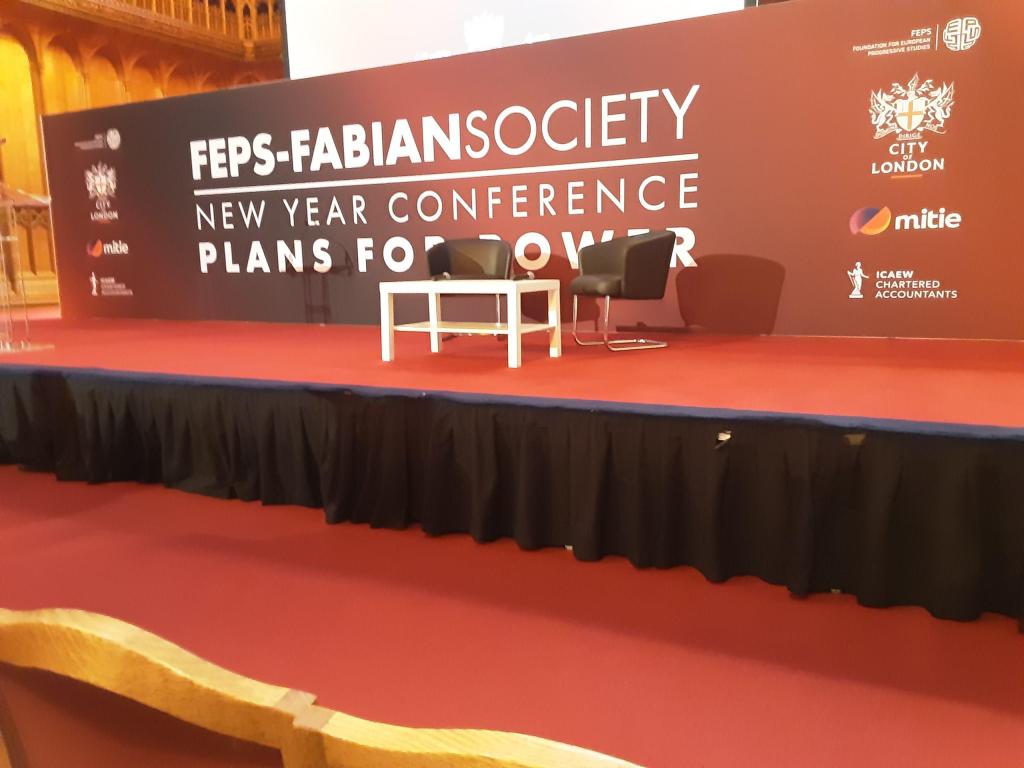
Emily started her presentation by stating the left should never have conceded Law and order to the right. She expanded by saying the Tories are pretending the problem crime no longer exists. Labour’s document, Make Britain’s Street Safe, sets out their vision around dealing with crime. Emily acknowledged the damage done with people perceiving there are no outcomes or consequences for crimes committed.
Emily informed the meeting she has three priorities for action as soon as she is in office.
- Crimes that make people afraid to go out, Anti-Social Behaviours including street theft and petty shoplifting included here. More police will be visible on the streets, hot spot patrolling will be increased, as well as removing the under £200 shoplifting leading to no police attending. There would also be work undertaken with schools and youth clubs.
- Fraud-approximately £219billion was lost through fraud up to June 2023. This equates to the whole NHS budget and a further ¼ on top. 3.7million people have been victims of fraud last year (2023). Forty percent of crime is fraud. Emily pointed out the Tories do not include fraud in their crime statistics. Labour would reclaim monies lost as a result of PPE fraud People are 200times more likely to be a victim of crime than go to jail. Emily was clear that this is going to change once Labour is in power.
- Violence against Women and Girls (VAWG) Emily pointed out currently approximately 2% of reported VAWG go forward to conviction. The word “epidemic” was used to describe the level of incidents; however, it was acknowledged there is a small chance of prosecution and conviction. Emily is looking to initially cut VAWG by half. Work would be undertaken in schools, work places, homes, leisure venues, everywhere.
Jason spoke of the pressure on police calling this “stretch.” He expanded on how a collaborative approach between the police and private sector could help here. He pointed out retail is seeing a rise in crime, with some extreme violent examples. Organised Crime Groups (OCGs) have used hammers, knives, packs of dogs and baseball bats during their crimes. He stated £10million would be needed to combat retail crime in London. Private security firms, such as Mitie, track OCGs across the UK, so this could feed into policework. Pegasus has been launched to combat retail crime. Regarding terrorism Jason asked for legislative reform to protect where we work, socialise and play.
Kate reminded the meeting the levels of crime are a result of 14years of Tory underfunding. The potential negative impact on local policing of abstractions raised. Greater Manchester actively works to minimize abstracting Safer Neighbourhood Team officers to maintain good local policing levels/activity. Kate called for three things from Labour around policing.
- The police funding formula-Labour needs to recognise the pressures police forces are under and respond appropriately.
- McPherson mark2 and challenge institutional racism.
- Invest in effective community penalties. These are cost effective and have better impacts around reoffending. Further it allows the offender to carry on working and maintaining family life.
Natasha spoke of fear being normalized. The impact of ASB, gangs, knife crime, drug use, sexual harassment all feed into the fear. Cuts to police funding have impacted on crime. Natasha stated there are 10,000 fewer police officers from 2010 levels. Statistics show a 40% drop in theft arrests and arrests for rape are “shockingly low”. Southwalk had 2500 incident a day this year to date. She raised a point around the number of police officers within the ranks that should not be there. To add further pressure to criminal justice generally, the courts, police and Crown Prosecution Service are all overwhelmed with massive backlogs Natasha commented that the probation service has effectively collapsed and needs a long-term plan to fix it. Natasha pointed out there are 400,000 private security officers in the UK. She proposed these individuals could play a role. The importance of neighbourhood policing with an ambition no abstractions should form part of what Labour would do to reduce local crimes.
Emily commented that fraud needs a level of expertise in those investigating. This would include investigating phone and banking fraud. She emphasized that Labour would work with banks, phone companies and social media companies to bring about change. An example given was to stop the sale of British telephone numbers overseas.
A suggestion from the floor was no incarceration without education. Further comments from the floor included the need to reform what happens in prisons and how to link to schools to show prison is not a “glamorous” outcome to crime. A focus on prevention was also shared.
SW
 Havering Fabian Society