What is it really like to be a progressive voter in Havering right now?
To be honest, it sometimes feels like navigating an entirely different political reality.
Ever since the borough made history by handing Reform UK its first majority council in London, looking around my own neighbourhood has brought a profound sense of political isolation.
The talk on the high street leans heavily one way, but it is online where the divide becomes truly glaring for me. Whenever I venture into local community groups to ask a logical question about council budgets or overstretched services, the response is swift and predictable. I am immediately hit with a wall of negative misinformation, backed by an endless chorus of “laughing emojis.”
The laughing emoji has become the ultimate weapon of the modern online mob. It’s a lazy, dismissive shorthand used by people who have no actual facts, no counter-arguments, and no interest in genuine debate. It is a digital sneer designed purely to mock and silence anyone who points out that the populist narrative has no substance.
What makes it so exhausting is how reductive the discourse is. Complex municipal problems – from underfunded social care to decaying infrastructure – are stripped of their real-world causes. Instead, every single issue is pushed through a single, toxic filter: “let’s blame everything on immigration.”
It doesn’t matter if you are talking about pothole repairs, library closures, or council tax hikes. The narrative is immediately twisted back to a single, convenient scapegoat. I used to just bite my tongue to keep the peace. I quietly despaired at my phone screen. It felt pointless to argue against easy soundbites that win elections but solve absolutely nothing. But watching my borough swing so drastically had an unexpected counter-effect on me. It shook me completely out of my political apathy.
When the dust settled and Labour was reduced to just 2 seats in the council chambers, I realised that quietly lamenting the results from behind a screen wasn’t an option for me anymore. Instead of retreating into permanent frustration, I chose to get involved. I walked out of the online echo chamber and joined my local Labour group. I have been a member for years but never actively got involved.
Stepping into active local politics in a right-wing stronghold has been eye-opening. It has forced me to find a new kind of resilience. It reminds me that the real work of democracy doesn’t happen under the weight of dismissive emojis. It happens on the doorstep, in community rooms, and through the vital work of holding local representatives accountable to actual maths and policy, rather than empty rhetoric.
We might be in the political minority here right now, but the work of building a community based on substance, public service, and real solutions starts from the ground up.
If you are reading this and feeling the same way I did – tired of the toxic online comments and looking for a positive alternative – you don’t have to watch from the sidelines.
Get in touch for contact details for the local Labour Party’s and Havering Fabian Society
Havering Labour did well in the 2024 General Election, with the best result since 1997. The Conservative majorities in Romford and Hornchurch and Upminster fell by15,155 (30%) and 20,235 (32.9%) respectively. Labour was 1,463 short in Romford and 2,321 short in Hornchurch and Upminster (even though finishing third).
Analysis undertaken on behalf of the New Statesman[1], while heavily caveated, showed that this would have put Labour ahead in nine out of the 20 Havering wards, potentially doubling the number of Havering Labour Councillors. This analysis excludes Havering Resident Association (HRA) of course, so the position in May 2026 will be vastly different.
The composition of Havering Council has changed from that at the last Council election in May 2022, despite no changes via by elections[2]. The defections to and from each of the major groups has left the HRA in overall control, ending a brief coalition with Labour aimed at stabilising the Council.
Party
Councillors elected in 2022
Defections to
Defections from
Defections back
Councillors March 2026
HRA
20
+10
-5
0
25
Conservative
23
0
-10
+1
14
Labour
9
0
-1
0
8
East Havering RA
3
0
0
0
3
Reform
0
+3
0
0
3
RA independent
0
+2
0
0
2
Total
55
+15
-16
+1
55
Table 1 gives the position as of 18th February 2026. Further defections are possible. As of mid April, there were no further defections.
In a genuine four or even five Party contest, Councillors could be elected on 25% (or less) of the vote[3]. What happens in May depends on several factors. How these factors interact will determine the outcome of the election.
Sitting Councillors who undertake their casework will build a personal vote, The opposite is also true, and inactive Councillors will encourage voters to look elsewhere. There are no statistics which allow non constituents to identify who these are. Some Councillors have better attendance records than others[4]
The extent to which National Government issues impact – Labour is not doing well in the national opinion polls and not doing well either with London only polls. [5]In 2006, Labour had only two councillors elected (including an unlikely gain in South Hornchurch) and only Keith Darvill in 2014. UKIP won council seats on Harold Hill in 2014, and so Reform would be expected to target the area.
The discontent (or otherwise) of the local electorate with the HRA administration. Local social media would suggest this is a big issue, although social media is often not a good guide. The deep-rooted support for HRA councillors has seen them retain Hacton and Cranham wards since Havering was formed in 1965, and secure large majorities elsewhere.
How the growth of Reform will impact on the local Conservatives, given that national polls show the Conservatives down from their General Election vote share[6]. This could be significant given the recent defection of the Romford MP, GLA member (also a Havering Councillor) and at the time of writing two sitting Councillors. Romford has not been a rewarding area for the HRA. Hylands ward which they won in 2022 had previously been in Hornchurch and had elected RA councillors in the past.
The extent of overlap in the HRA and Reform voters, and which they will prefer at a local election. The Reform agenda, such as it is, is focused on issues the Council cannot resolve. While Reform can offer a protest vote option, the Labour Government will remain, and Havering has significant issues to address,
Havering has always had a resident presence to attract the “plague on both your houses” voter, which has limited the Liberal\ Lib Dem presence on the Council. In this context, the growth of Reform as the “anti big” Party alternative suggests this will not change in May.
The Greens have been canvassing, and previous lack of success in Havering makes an assessment of their potential impact difficult. They are likely to have an increased vote share in the aftermath of the Gorton and Denton by-election. They may benefit from a 4 or 5 way split in the vote, lowering the number required to get elected.
Are Reform so divisive that an anti-Reform sentiment crystallises into a tactical vote to keep them out?
There could be further complications; this is Havering after all. There have been breakaway/ independent Resident groups outside of the HRA that could split the vote further in key wards (Harold Wood has elected three at previous elections). In a five-way split, any Party has a chance if it can get voters to the polls. Gooshays is the only ward this time where there are HRA and independent resident candidates.
Turnout could be crucial. A lower turnout reduces the number of votes required to get elected, so may lead to unexpected outcomes, particularly if one group of voters stay at home. Arguably this was an issue in the 2024 General Election when a significant proportion of the Conservative vote remained at home. They are unlikely to return for the Council elections.
In the 2014 Council elections , when 7 UKIP Councillors were elected[7], 5 of the seats they won were on Harold Hill (from Labour), the others in Emerson Park (from the Conservatives) and South Hornchurch (HRA). While UKIP polled well across the Borough, they did not gain any Councillors in Romford as the Conservative vote held up. Rosindell’s defection, along with Councillors and candidates’ means Reform may take seats in the Romford constituency.
Reform will need to take votes from the HRA to get significantly more Councillors elected than UKIP managed.
Outside of Romford, The HRA wards in Hornchurch and Upminster have Councillors elected with large majorities which are likely to remain with the Residents.
There are ten seats in the south of the Borough within the Dagenham and Rainham constituency. In the 2022 council election, Labour won the new two seat Beam Park ward, which has since had major development and so has significantly more voters.
South Hornchurch and Elm Park wards returned HRA councillors and could be vulnerable if there is a significant Reform vote. In 2006 and 2014, with a slightly different boundary, South Hornchurch returned Councillors from three parties (although it is now a 2-seat ward following boundary changes in 2022).
The final ward, Rainham, is harder to predict. In previous elections it has previously returned Resident, Liberal and Labour Councillors and in 2022, against the national trend, returned 3 Conservative Councillors for the first time. A local community activist (who almost got elected in 2018) as an independent stood on their platform, and they used this to win all three seats. All three Councillors soon defected to the HRA, although one later rejoined the Conservatives. With two of the current Councillors standing down, the seat is a target for Labour and Reform.
Attitudes to defecting Councillors could be an issue. There have been so many that it is hard to keep up. Recent defections from the Conservatives to Reform generated social media statements from many (but not all) of the already selected Conservative candidates that they would remain in place.
Despite this, such was Andrew Rosindell’s influence on the Romford Conservatives prior to his defection that they deselected one of their most visible councillors David Taylor in St Edwards ward. He has not been nominated for one of the vacancies created by the defections to Reform and recently said on social media he would be spending more time with his family.
Despite the MP for Hornchurch and Upminster having a 20,235 majority in 2019, the Council Elections in 2022 saw no Conservative Councillors returned from Hornchurch and Upminster constituency. The Conservatives currently have 14 Councillors, all but one in Romford.
The HRA will contest the election without the current Council Leader Ray Morgon, who has announced he is retiring and moving to Dorset. His Deputy Gillian Ford appears to be the favourite to take over as group leader after the election. Their early election posts on social media target Reform, specifically the lack of local focus. The addition of former Conservative Councillors may alter Reform’s approach, although the tedious campaign to extract Havering from the Greater London Authority rumbles on. The local Tories had control of the Council from 2002 until 2022 and have held the GLA seat since the GLA started. Their failure to develop common ground and build alliances with similar boroughs in outer London gives no indication they would do any better with Essex or any successor authorities. While the issue excites social media it is a distraction and reform of London local government is not on the agenda of any major national party.
The most likely outcome of the election is no overall control. If the election ends this way, finding a coalition that can form an administration could be difficult. Relations between the HRA and Conservatives have been strained in the past. The HRA only allowed the Conservatives to form a minority Administration in 2014 if the veteran (importantly non-Romford) Conservative Roger Ramsey was Leader.
After the 2022 election, there was no prospect of an HRA / Conservative arrangement. Some HRA councillors opposed the coalition with Labour and formed their own group outside the administration. The HRA Labour arrangement ended when the defections enabled the HRA to form an administration on their own. The strain may remain if any former Romford Conservative are elected as Reform Councillors.
Nominations closed on April 10th. There are some interesting candidates with a history in the Borough. There are 55 seats and Labour, Conservative, HRA, Reform and the Green Party are standing in every seat. The Liberal Democrats are standing one candidate in each seat, and there are a small number of independents standing,
The candidates include a number of long-standing Councillors seeking re-election. They are joined by others who have stood before and below is a brief overview of some of those seeking election again.
Former Airfield Labour Councillor Chris Purnell is standing in Emerson Park.
For Gooshays Ward there are several interesting candidates. Former Brooklands Councillor Nigel Meyer once again stands for the Lib Dems. Paul McGeary, elected as a Labour Councillor in 2022, stands for the HRA. Former Havering UKIP Councillor Philip Hyde, until recently in Reform, runs as an Independent. Current Reform Leader and GLA Member Keith Prince moves from Squirrels Heath. To complicate the ballot paper further, there are candidates for both the HRA and Harold Hill Independent Residents Association. In all 20 candidates on the ballot paper!
In Harold Wood, there are no alternative Residents as in 2022. Former Barking and Dagenham Councillor Graham Bramley is a Labour Candidate.
Former Labour Councillor Carole Beth is a Green Party candidate in Heaton ward.
In Hylands and Harrow Lodge, Ciaran White is standing for the HRA after defeat as a Conservative in 2022.
Former Labour MEP Anita Pollack is standing as Labour candidate in Marshalls and Rise Park.
In Rush Green and Crowlands ex HRA and Conservative Councillor Alex Donald is now a Reform candidate. Former Labour candidate for Romford Angelina Leatherbarrow is standing for the Greens.
Former Havering Councillor and Mayor Michael Deon Burton is again a Conservative candidate for South Hornchurch.
In St Andrews, new Havering Fabian Secretary Keith Taffs is a Labour candidate having previously contested the seat in 2009 and 2010.
In St Edwards, former Newham Councillor Pushpa Makwana is standing for Labour.
Overview
Despite a favourable settlement as part of the Fair Funding review, Havering remains in need of Exceptional Financial Support from the Government[8]. Achieving financial stability will require difficult and unpopular decisions. Reform performance in Councils won in 2025 does not suggest they are able to deliver. With five full slates of candidates, the count will be a long process, and it could well be well into Friday afternoon before the results is known. If the outcome is no overall control, it could be several weeks before an administration is in place.
The polls show a large Labour lead and a prospect of the Party returning to Government after the worst result since 1935 in the 2019 election,.
Locally the prospects are good. The small Labour majority in Dagenham and Rainham should be increased if the national polls are in any way accurate.
Romford has long been a safe Conservative seat. However, the national Labour lead is likely to dent the majority. The local issues with the MP absent from the House of Commons for an extended period appear to have been resolved. What is less clear is the extent to which defections by Romford Conservative councillors reflects a wider split within the local Tories, and whether this will mean a depleted number of activists. This could be a factor, or irrelevant. Defections from Romford Conservative Councillors to the Residents suggest there is something happening.
When Havering has changed MPs in the past, the swing from the Governing Party has been above the national average – if repeated, then Romford could be very much in play.
Hornchurch and Upminster has a larger Conservative majority. It does however have no Conservative Councillors. This means the electorate have no “tribal” loyalty to the Conservative Party. As in 1997, it is possible that electors who support the residents at Council elections are prepared to vote for someone else in a general election. This could be Labour or Reform. A strong Reform vote at the expense of the Tories could bring the seat in to play. The sheer size of the majority means the seat is at the outer reach for Labour although if Labour maintains a twenty per cent plus lead its game on.
Demographic factors may help Labour in the longer term. The Borough has an increasingly diverse communities, although changing voting patterns do not mean this guarantees a higher level of Labour support.
The national trend is for young voters to support Labour – a recent poll suggested that Labour is ahead in every age group up to the over sixty-fives. If sustained, this would help Labour locally.
Beyond Havering, the forecast is for significant Labour gains in London. Polls with the widest opinion poll lead for Labour could see the Conservatives wiped out in London. This seems unlikely\ optimistic.
In Essex, the polls show Thurrock turning Labour, with gains in Southend and Colchester. Even Clacton could return a Labour MP. The polls also show both Basildon seats returning a Labour MP. As with Havering when Governments change Essex tends to swing more than the rest of the Country.
There are a number of Labour candidates who have spoken at Havering Fabians.
Seat
Candidate
Dagenham and Rainham
Margaret Mullane
Romford
Andrew achilleos
Ilford South
Jas Athwal
Ilford North
Wes Streeting
Barking
Darren Rodwell
East Ham
Stephen Timms
Eltham and Chislehurst
Clive Efford
Felton and Heston
Seema Malhotra
Reading and West Berkshire
Olivia Bailey
Harrow West
Gareth Thomas
Thanet North
Polly Billington
Gillingham and Rainham
Naushabah Khan
Thurrock
Jen Craft
West Lancashire
Ashley Dalton
Leeds South
Hilary Benn
There are some departing MPs who have spoken to us as well.
Jon Cruddas
Dagenham and Rainham
Geraint Davies
Swansea West
Margaret Hodge
Barking
In addition, Catherine Deakin who attended our zoom meeting with Hilary Benn is the candidate in Broxbourne.
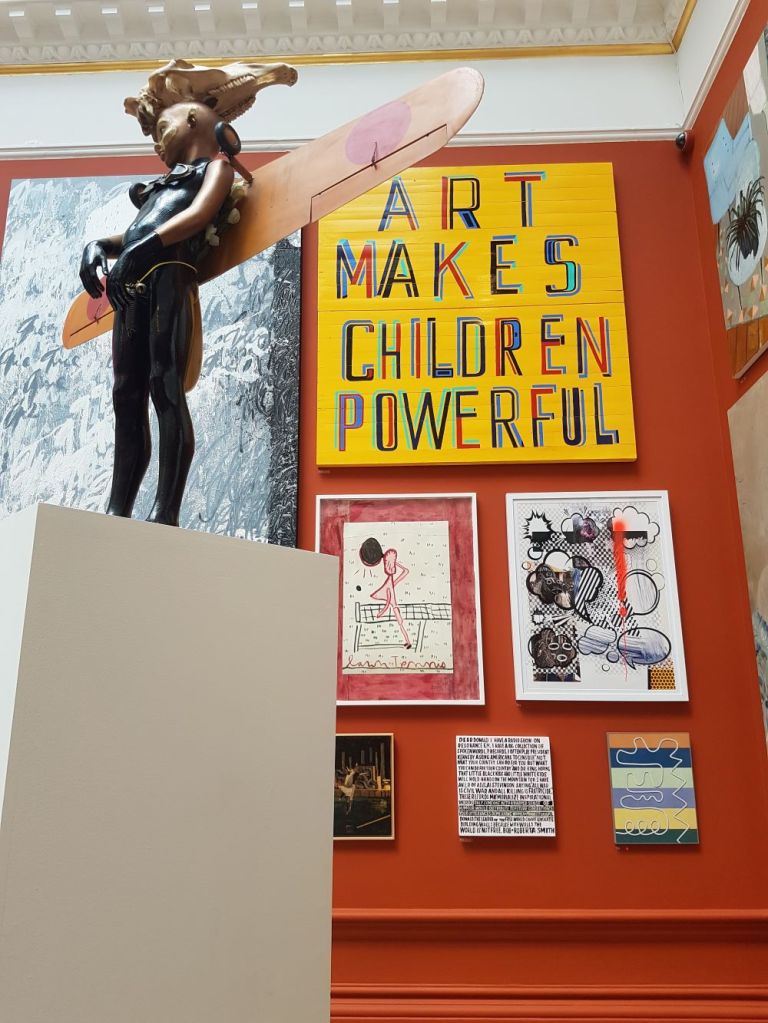
There are many reasons I disagree with Toby Young, but one in particular is his reaction to the film I, Daniel Blake. The film, by Ken Loach, charts how a disabled man in his late fifties, out of work and with poor IT literacy tries to navigate his way through the benefits claims system, and finds himself caught up in an Orwellian bureaucratic nightmare. Toby Young was very upset. Not with the fundamental inhumanity of the Department for Work and Pensions claims system, or with the startling levels of poverty and inequality that have found themselves embedded in modern Britain. He was upset because he thought Loach had an: ‘absurdly romantic view of benefit claimants.’ He was upset because the benefit claimant wasn’t ‘drinking, smoking, gambling, or even watching television’. He was upset because Loach had the audacity to create a character that ‘listens to Radio 4, likes classical music and makes wooden toys for children’. [1] Toby Young was incandescent that a piece of art demonstrated that working class people were cultured.
Figure 1Photo taken by Claire Blakemore Royal Academy Summe Exhibition 2017
That someone to the right of the political spectrum has this reaction isn’t much of a surprise. The last fourteen years of Conservative rule has been characterised by the strategic
de-prioritisation of the arts. In the state school curriculum art, dance, drama, literature and
music has been pushed aside in favour of science, technology, engineering and maths; leading to a startling 47% drop in students taking arts subjects at GCSE. [2] Funding in schools for these subjects is so bad, that Labour reported in 2022 that less than £10 is allocated per student for all music, arts, and cultural programmes. [3] The devaluing of the arts has been further compounded by local funding cuts that have reduced access to arts and cultural venues and spaces. In 2019/20, around 53.5 percent of 11-15 year olds in England were participating in theatre and drama activities, compared to 69 percent in year 2008/09. [4] The reality for too many young people is that they will never have visited a theatre, been to an art gallery, or museum to experience first hand the transformative power of art and culture.
The Cultural Learning Alliance calls this the learning enrichment gap, in 2017, a Sunday Times investigation found that private schools in London alone have 59 theatres.
between them, with many of them being state of the art. By contrast, the West End only has 42
theatres. [5] We spoke to local teachers in Havering, who say that the appetite for attending local theatres is as high as ever, and that many schools are still running trips and days out to the theatre, but that this effort is hampered by lack of funding. The number of places offered for students are limited, with demand vastly higher than places available. One of the biggest issues is the cost of staffing to replace the teachers that chaperone trips. Some teachers resort to using their own days off to minimise the staffing costs and make these trips happen. The teachers we spoke to said that to increase participation it would be great for theatre companies to visit the school themselves, or have more opportunities for artists in residence so that pupils see first hand what it means to be a professional creative. While there are some fantastic initiatives, for example Speak Up run by the National theatre, a lot depends on secure long-term funding for schools and local arts venues. Meanwhile, schools are increasingly losing art and drama teachers and the willingness and appetite for schools to provide access to these activities is precarious and too dependent on the goodwill of passionate teachers to keep them going. For example, if a drama teacher leaves, it can be the case that the provision of drama teaching will leave with it, given the subject is not on the national curriculum. Right now, the pressure on teachers is higher than ever, and with that, it is easier for cultural enrichment activities to fall down the list of priorities.
One of the consequences when we devalue the arts in state education is that we end up
with unequal representation in our creative industries. According to an analysis by
Labour nearly half of all British cultural stars nominated for major awards in the last decade
were educated at private schools. This is despite only 6% of the population being privately educated. [6] Meanwhile, the creative industries are suffering from a drought of diverse, imaginative creative talent. A report by Creative Access found that class is the missing dimension in diversity and inclusion in the creative industries, with 73% believing there is class-based discrimination, this is particularly pronounced in publishing. [7] While this is set to have an impact on our cultural heritage, health of our creative economy and international standing, another key dimension of denying children arts and culture is the impact on their mental health. A comprehensive study by Oxford researchers in 2023 found that young people’s mental health deteriorated during COVID-19, with higher levels of depression and social, emotional and behavioral difficulties than before the pandemic hit. [8] Arts and culture form part of a holistic package of education that ensures children feel a sense of connectedness to themselves, each other, and society. Art may not be a panacea for mental health, but allowing children the opportunity for artistic expression does form an important part of a broader education of the whole child.
But change, finally, is afoot. In March, Keir Starmer outlined Labour’s vision and long term strategy for the arts – putting creativity, art, and culture at the heart of their stated aim of a decade of national renewal. As Charlotte Higgins from the Guardian pointed out, the content of his speech mattered less than the fact that he was making it at all. [9] There has been a deafening silence for too long on the importance of the arts and culture to the UK, despite it being a fundamental component of our soft power as a nation, and as Starmer has pointed out, the bedrock of our ability to attract international investment – for example he noted Warner brothers building studios in the UK. In his speech, Starmer has promised to put creativity at the heart of the curriculum, ensuring that the school accountability framework is reworked to make sure that the arts count and that all children should study an arts or sports subject until 16. He also noted the importance of oracy skills being woven into the education system, something that private education already prides itself on. Encouragingly, there was also acknowledgement of the importance of the arts for health and wellbeing, noting that young people face a mental health crisis that the arts could go some way to mitigate. Starmer noted that while he ‘cannot turn on the taps’ in terms of funding straight away, the curriculum is something that is an immediate change that can be made. [10]
While the election is far from won, Keir Starmer’s speech was the first time anyone working in arts education has a reason to be hopeful in a long time. That we may, if all goes well, have someone in Downing Street who understands that the arts and economic vitality is not a zero sum game. That growing the economy and investing in the arts is not mutually exclusive. The stunted imagination evident in education policy in recent years has been worrying. When Rishi Sunak announced he wanted everyone to study maths to 18 it suggested there was no greater vision for education and skills other than educating everyone to become an investment banker like him. [11] This wouldn’t be so much of a problem if this announcement was complemented also by a focus on the arts, or it was joined up in some way with other elements of the curriculum, to provide young people a holistic education. It was a good example of policy being led by ego not evidence. Perhaps someone should tell Sunak about the link between mathematical and musical ability, and that studies show children who play musical instruments are able to complete complex mathematical problems better than peers who do not play instruments. [12]
Meanwhile, after 12 culture secretaries in 14 years, we now have the tantalising prospect of Thangam Debbonaire as a potential culture secretary. Debbonaire was a professional cellist who performed as part of the Royal Liverpool Philharmonic Orchestra and describes her potential future post as her ‘dream job.’ If Debbonaire was elected, it would be a huge departure in and of itself, given that none of the last 12 cultural secretaries have had an arts education, the majority coming from Law or Finance backgrounds. [13] In a recent speech at Remix Summit London 2024, Debbonaire made another crucial point about the importance of arts and culture – the link with progress and emerging technologies, noting: ‘It is the creative industries that stimulate ideas of what another world could look like’. [14] Both Debbonaire and Starmer seem to fundamentally grasp that investment in arts and culture is what drives innovation, rather than distract from it. Crucially, both talk about creating the right conditions for art and culture to thrive, and that there has to be a holistic ecosystem, supported by many parts of society for people to not just take part in the arts, but take risks in it. Debbonaire has also underscored the need for diversity and equality to be part of building the right ecosystem, a critical dimension if we are to truly develop world-leading culture. She notes that she wants to see creative industries and art and culture, work together and that ‘the publicly invested sector feeds the commercial sector, and vice versa.’ [14] Critically for arts educators she wants every child to have access to high quality creative education, understanding that creativity skills are critical no matter what job a child may do in later life. But more than that, she understands that giving someone access to an outlet for creative expression is something that enriches a persons life, no matter who they are and what job they end up doing.
All these announcements are positive, but we have to be realistic that it will take decades of funding and hard work to try to undo some of the damage done over the last 14
years, and we are yet to fully see the impact of strangling arts investment on the next
generation of creative talent. But I want to end on a positive note, because if there is one thing
opening access to the arts gives us, it’s more optimism. Ken Loach announced his
retirement last year, but there are signs the next generation of filmmaking voices are
already here, in spite of the current political climate. The film, aptly titled Scrapper by Charlotte Regan depicts a young girl, who uses her wits to survive on her own terms after losing her mum. It recently won the World Cinema Dramatic Grand Jury Prize at the 2023 Sundance Film Festival. [15] Charlotte Regan, the director, identifies herself as working class, and has said that ‘I’d love to see more working-class films that are happier’. [16] The film is a joy, rather than the usual grey of kitchen sink, social realist drama it is colourful, fizzing with charm and eccentricity to reflect Charlotte’s lived experience. This is why people need to be able to express art in their own way. There is more to working class lives than poverty. There is humour, vitality, and community. As Reagan shows there are so many groundbreaking, entertaining stories still to be told.
Finally, as Starmer said in his speech, ‘talent doesn’t discriminate, opportunity does’. [10] Artistic talent, like sporting talent doesn’t care what’s in your bank balance. Labour’s job, if they are to win the next election is to ensure they do everything to make sure that finding that talent is not a lottery. They must build an ecosystem that not only finds creative talent, but nourishes it and helps it thrive. Not just because it is the right thing to do, but because when we allow the best artistic talent to shine, we give all of us the chance to see the world through new, more vivid, more optimistic eyes.
Figure 3Claire Blakemore
Originally from Havering, Claire Blakemore is a freelance writer with over ten years’ experience in the communications industry. Having graduated with an MA in Creative Writing from Birkbeck in 2022, she has a particular interest in working class representation in storytelling and literature and is currently writing a series of essays about widening arts participation in the UK.
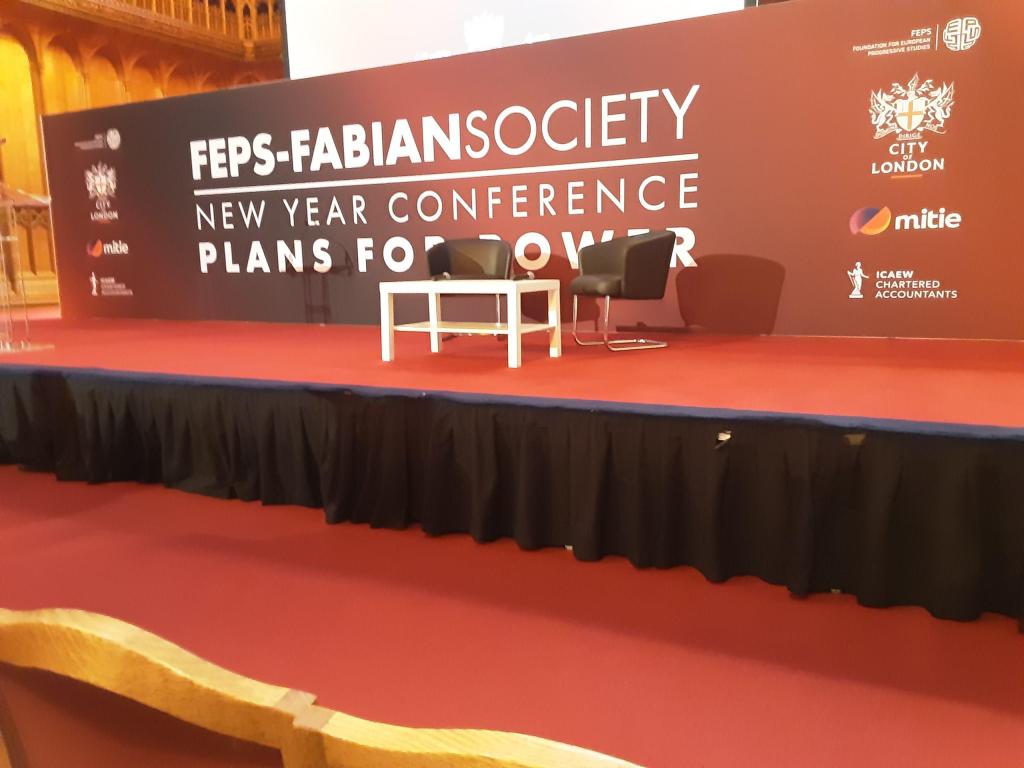
This article is part of a series covering the Fabian New Year Conference, written by Dave Baldock and Sue Watson
The Panel consisted of: – Emily Thornberry MP, Shadow Attorney General for England, and Wales
Jason Towse, Managing Director of Business Services at Mitie.
Kate Green OBE, Greater Manchester Deputy Mayor for Policing, Crime and Criminal Justice.
Cllr Natasha Ennin, Cabinet Member for Community Safety, Southwark Council
Chair Vikram Dodd, Police and Crime correspondent at the Guardian.
Emily started her presentation by stating the left should never have conceded Law and order to the right. She expanded by saying the Tories are pretending the problem crime no longer exists. Labour’s document, Make Britain’s Street Safe, sets out their vision around dealing with crime. Emily acknowledged the damage done with people perceiving there are no outcomes or consequences for crimes committed.
Emily informed the meeting she has three priorities for action as soon as she is in office.
Crimes that make people afraid to go out, Anti-Social Behaviours including street theft and petty shoplifting included here. More police will be visible on the streets, hot spot patrolling will be increased, as well as removing the under £200 shoplifting leading to no police attending. There would also be work undertaken with schools and youth clubs.
Fraud-approximately £219billion was lost through fraud up to June 2023. This equates to the whole NHS budget and a further ¼ on top. 3.7million people have been victims of fraud last year (2023). Forty percent of crime is fraud. Emily pointed out the Tories do not include fraud in their crime statistics. Labour would reclaim monies lost as a result of PPE fraud People are 200times more likely to be a victim of crime than go to jail. Emily was clear that this is going to change once Labour is in power.
Violence against Women and Girls (VAWG) Emily pointed out currently approximately 2% of reported VAWG go forward to conviction. The word “epidemic” was used to describe the level of incidents; however, it was acknowledged there is a small chance of prosecution and conviction. Emily is looking to initially cut VAWG by half. Work would be undertaken in schools, work places, homes, leisure venues, everywhere.
Jason spoke of the pressure on police calling this “stretch.” He expanded on how a collaborative approach between the police and private sector could help here. He pointed out retail is seeing a rise in crime, with some extreme violent examples. Organised Crime Groups (OCGs) have used hammers, knives, packs of dogs and baseball bats during their crimes. He stated £10million would be needed to combat retail crime in London. Private security firms, such as Mitie, track OCGs across the UK, so this could feed into policework. Pegasus has been launched to combat retail crime. Regarding terrorism Jason asked for legislative reform to protect where we work, socialise and play.
Kate reminded the meeting the levels of crime are a result of 14years of Tory underfunding. The potential negative impact on local policing of abstractions raised. Greater Manchester actively works to minimize abstracting Safer Neighbourhood Team officers to maintain good local policing levels/activity. Kate called for three things from Labour around policing.
The police funding formula-Labour needs to recognise the pressures police forces are under and respond appropriately.
McPherson mark2 and challenge institutional racism.
Invest in effective community penalties. These are cost effective and have better impacts around reoffending. Further it allows the offender to carry on working and maintaining family life.
Natasha spoke of fear being normalized. The impact of ASB, gangs, knife crime, drug use, sexual harassment all feed into the fear. Cuts to police funding have impacted on crime. Natasha stated there are 10,000 fewer police officers from 2010 levels. Statistics show a 40% drop in theft arrests and arrests for rape are “shockingly low”. Southwalk had 2500 incident a day this year to date. She raised a point around the number of police officers within the ranks that should not be there. To add further pressure to criminal justice generally, the courts, police and Crown Prosecution Service are all overwhelmed with massive backlogs Natasha commented that the probation service has effectively collapsed and needs a long-term plan to fix it. Natasha pointed out there are 400,000 private security officers in the UK. She proposed these individuals could play a role. The importance of neighbourhood policing with an ambition no abstractions should form part of what Labour would do to reduce local crimes.
Emily commented that fraud needs a level of expertise in those investigating. This would include investigating phone and banking fraud. She emphasized that Labour would work with banks, phone companies and social media companies to bring about change. An example given was to stop the sale of British telephone numbers overseas.
A suggestion from the floor was no incarceration without education. Further comments from the floor included the need to reform what happens in prisons and how to link to schools to show prison is not a “glamorous” outcome to crime. A focus on prevention was also shared.
This article is part of a series covering the Fabian New Year Conference , written by Dave Baldock and Sue Watson
Keynote speech – Barbara Nowacka, President of Inicjatywa Polska and Minister for Education
International Address – Pedro Silva Pereira, Portuguese MEP, Vice-President of the European Parliament
Miguel Costa Matos MP, Member of the Portuguese Assembly of the Republic
The final session featured three European politicians giving a wider perspective of how events in Europe were impacting on them.
Barbara is an MP for the newly formed Polish government and began the session with an overview of the recent election. The 2023 elections were important and gave Poland a choice between getting closer to the EU or Russia. With around three million refugees from Ukraine, Poland has much to contend with.
The previous Law and Justice regime were a right-wing populist government, playing on Poland’s catholic heritage to limit socially progressive policies. They had been in power for eight years. They were authoritarian in nature, did not respect the rule of law and had restricted abortion. The government determined what was taught in schools and had ensured public TV was like the Russian “Pravda” model.
To defeat them, there was a wide coalition of the three main opposition parties, not ideal but necessary to ensure Poland remained a pro EU nation and continued to support Ukraine. The coalition engaged with civil society and groups that had suffered under the regime – there were many of these as Law and Justice was anti-abortion, and unsupportive of the LGBT community. A six-week long protest in schools had ended without success but had not been forgotten by the teachers involved.
The three main opposition groups, Civic Coalition, Third Way, and New Left, took 54% of the votes, winning enough seats to allow them to take power. According to the final vote count by the National Electoral Commission, Law and Justice won 194 seats, the Civic Coalition 157, the Third Way 65, The L eft 26, and the Confederation Liberty and Independence 18
The coalition had come together and had held since the election, with ongoing campaigns to build a common future and deal with the corruption of the previous regime. Poland had many refugees and was aware of the brutality of the Russian government.
The new Government was led by Donald Tusk, who was well known across Europe and helped ensure Poland remained pro EU and not under Russian influence.
Pedro Silva Pereira appeared via video link and gave greetings from the European Parliament. Britain, while outside the EU, had several common issues and continued to work with the EU to address these.
Miguel Costa Matos was part of the Socialist government in Portugal. Governments of the left are rare in Europe at present, and he was pleased to be able to talk on how the Government was making progress on a range of issues. An election was due in March 2024.
An interesting session and a reminder that many of the Countries in Europe have similar issues to the UK, Poland is more effected by the war in Ukraine, and Russian influence remains.
This article is part of a series covering the Fabian New Year Conference , written by Dave Baldock and Sue Watson
Panel consisted of: – Anneliese Dodds MP, Shadow Secretary of State for Women and Equalities.
Cllr Catherine Fookes, PPC for Monmouthshire.
Cllr Anya Sizer, Speaker of Hackney Council
Dr. Liz Hind, Secretary of Fabian Women’s Network
Chair:Cllr Marianna Masters, Chair of Fabian Women’s Network.
Annelise Dodds opened the session by emphasising 2024 is a pivotal year for the UK. She stated this could be the year where the country turns the page on division, on inequality. Where cruel barriers are removed. Annelise pointed out the gender pay gap is rising, online misogyny is rising, delays in court cases/actions are rising; that groups that put so much into society are getting so little out. This, she said, has to change.
Economic growth must include all with equalities running through all of Labour’s policies.
Approximately $34billion is the cost to the economy of inequality. An example given was the impact of menopause. Labour will expect the workplace to have a menopause action plan. The estimate is approximately an additional £11billion to the economy if menopause support is in place. The pressure on family life was discussed with the economic along with societal impacts shared. Labour would ban zero-hour contracts and look to the use of flexible contracts.
Approximately £20billion would be added to the economy by closing the ethnic minority employment gap. For those with a disability, too many are on or below the breadline. Labour would bring in an expectation that disability pay gap would be reported. A range of suggested adaptations were shared. By lowering the pay gap for disabled workers by 2% this would add £3billion to the economy.
Annaliese called time on old ways of dividing people, on bluster, on failure and bravado and called for a government based in the Fabian tradition of evidence based practice.
This was followed by Cllr Sizer-she discussed how SEND children and young people are treated, particularly neurodiverse individuals. This, she sees, is a litmus test of who we, as a society are. The parent experience is of barriers faced at every turn. Evidence has shown mothers of teenagers with ASD exhibit the same stress as combat soldiers. Depression amongst parents is high too. There are financial and practical implications for parents too. There is a need for a change where parents/carers thrive not just survive. She pointed out the Governments recent SEND plan is simplistic and not working. Cllr Sizer called for Labour to introduce policies where SEND and trauma informed practices are embedded throughout all policies. The SEND “black hole” in council budgets and why was acknowledged however it was stated that there is a need for whole system change where there is a whole family focus on mental health, where there are parent coaching opportunities. This would be economically sound practice as well as emotionally literate.
Cllr Fookes spoke of Barbara Castle and Harriet Harman and the Acts these women brought into law. She then raised the issue of childcare and how the majority of unpaid care was undertaken by women. Wales provides 30 hours childcare for all 3-4year olds. 2.5% of GDP is invested in childcare.
A further issue she raised was around ending health inequalities for women. Cllr Fookes closed her speech by calling for 50/50 representation and leadership within the Labour party, the cabinet and parliament itself. Currently women make up 35% of parliament. Gender parity in parliament could be a quick win for an incoming Labour government.
Dr Hind spoke next re gender responsive budgeting work she has undertaken for OECD. Further this work has included how to embed this within public services. She stated 9% can be added to growth in the economy, if gender responsive budgeting is adopted. She stated that men are not the default that women diverse from, that economies are people.
There was a question from the floor about those leaving care and how they are catered for. There was a question as to if leaving care should be a protected characteristic under the Equalities Act.
A further question around the role for procurement when agreeing contracts, in supporting and enabling disabled workers was also posed.
Annaliese replied that the New Deal for Working People will help all. So many aspects of the 2010 Equality Act are not being used and Labour will use this Act more effectively. Additionally, she pointed out the Government’s disabled people strategy has been ruled illegal as they did not speak to disabled groups. Labour will engage with community groups to ensure the voices of people are heard by Labour. Labour will be the government of all not just some.
Ken will speak on “My days as a trade unionist in Fleet Street” which included the Wapping dispute.
Ken has been a Councillor in both Havering and Newham, where he was Deputy Mayor. He has a wealth of experience in Labour politics, having been London Regional Director
The meeting is om 24th June 8pm at Saffron House 273 South Street Romford RM1 2EZ